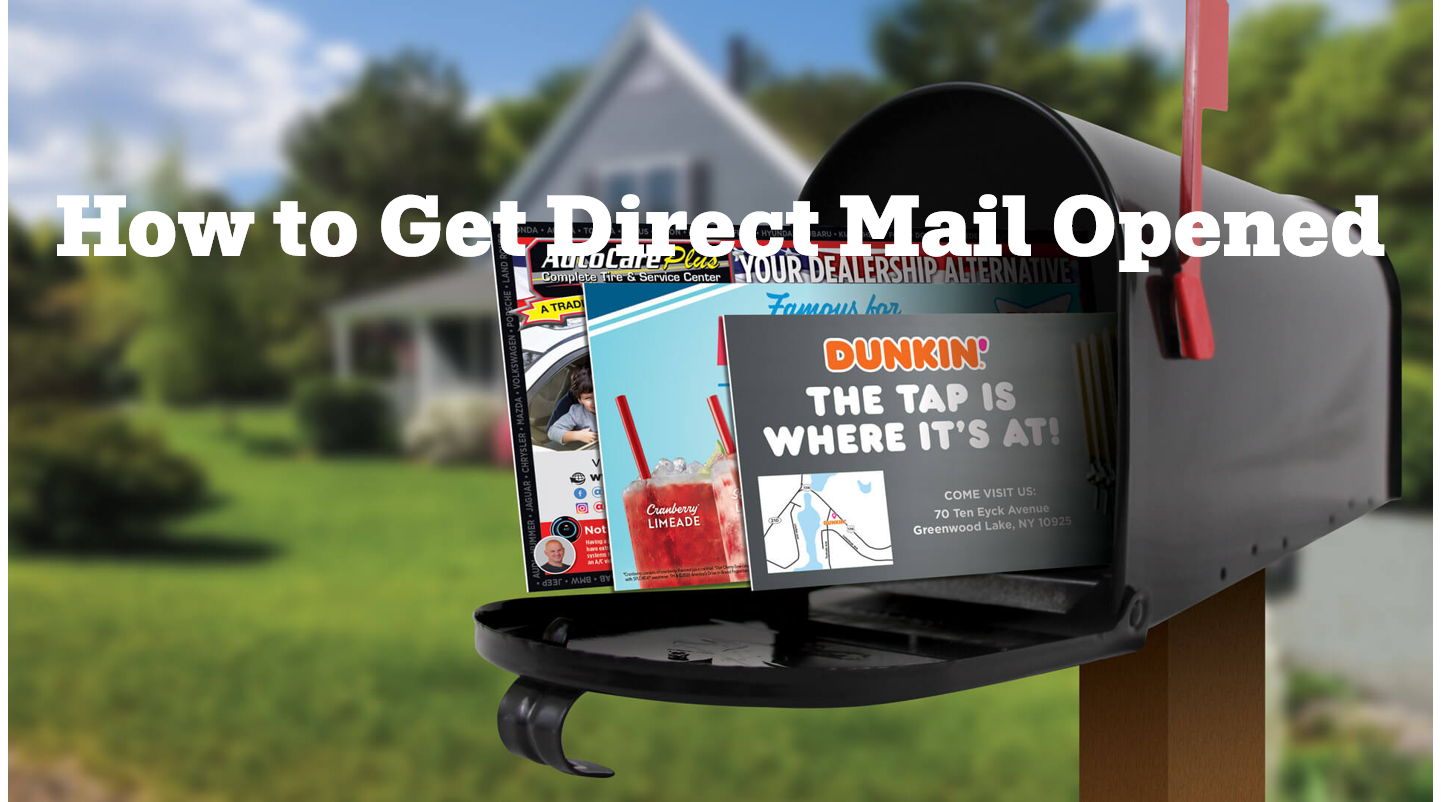
In an increasingly digital world, direct mail advertising still plays an important role in the overall marketing strategy of many brands. This method can put the call to action and means to respond, such as an 800 number, response form, website address or temporary membership card… right into consumers’ hands.
But for this to happen, the envelope must convince the recipient that it is worth opening. And it must do so quickly. Recipients will not spend time studying every detail of the envelope’s design and carefully considering what to do with it. The open or discard decision will be made in seconds… or even a split second. How can an envelope influence this decision in such a short amount of time?
At MSW Research, we’ve evaluated direct mail using a variety of approaches, from traditional consumer testing to Creative Gauge AI for Direct Mail, our AI-powered system for evaluating envelope and package creative. Each approach offers a different perspective, from measuring consumers’ actual reactions to diagnosing the creative elements most likely to drive engagement. Over time, we’ve found that the same fundamental principles consistently emerge.
Signal That the Mail Matters
When someone is sorting through a stack of mail, the initial question in this rapid triage process is, “Can I safely throw this away?” The key is to provide a reason for recipients to answer “no”.
When people are asked why they open a piece of mail, the leading answer by far is “It looks important or requires my attention.” People primarily will open mail to avoid mistakes or consequences for not opening, not because it is attractive or they are actively looking to pursue opportunities.
So, effective design will raise enough doubt that the contents might be important or worthwhile enough to overcome the instinct to discard. There are two primary mechanisms through which this can be achieved.
1. Create a Curiosity Gap
The first method is to generate curiosity through strategic ambiguity. This means giving recipients a reason to wonder what’s inside. If it is possible that something important may be inside, even though it is unclear what, recipients are likely to open the envelope.
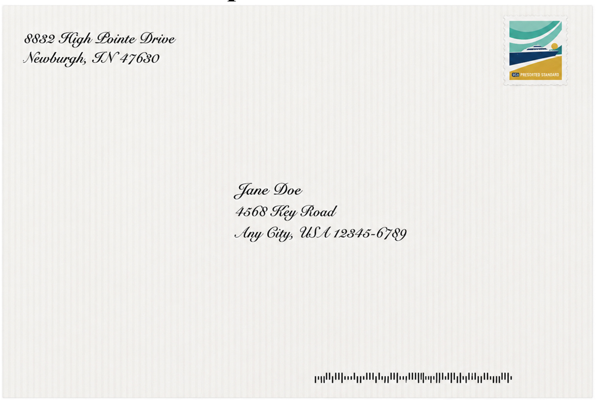
The following example illustrates one way this has been done. The sender’s name does not appear on the envelope and there is no indication of even the category involved. In addition, the script font, real stamp and pinstriped envelope create the suggestion of something personal or perhaps formal.
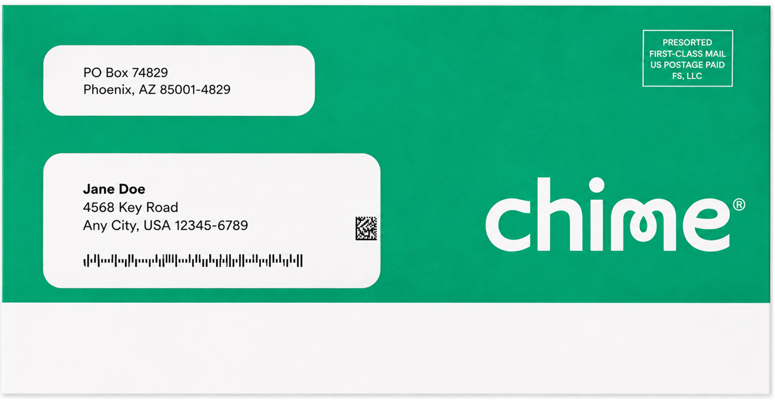
In this second example, the company’s identity is revealed. But beyond that, no other information is revealed. And this may be one case where design and color scheme play a meaningful role in attracting attention and increasing visibility, as a supplement to the essential ambiguity.
2. Generate Confidence
While the first method uses ambiguity to suggest the contents may be important, the second method provides information to give the recipient some level of confidence that the contents are important. Mail tends to feel important when it suggests one or more of three things: it affects me personally, it contains something valuable, or it requires my attention. Effective envelopes communicate one or more of these ideas, either directly or indirectly. This will typically involve clear and concise communication of legitimacy, relevance and/or value, so that recipients quickly recognize why the mail may matter to them.
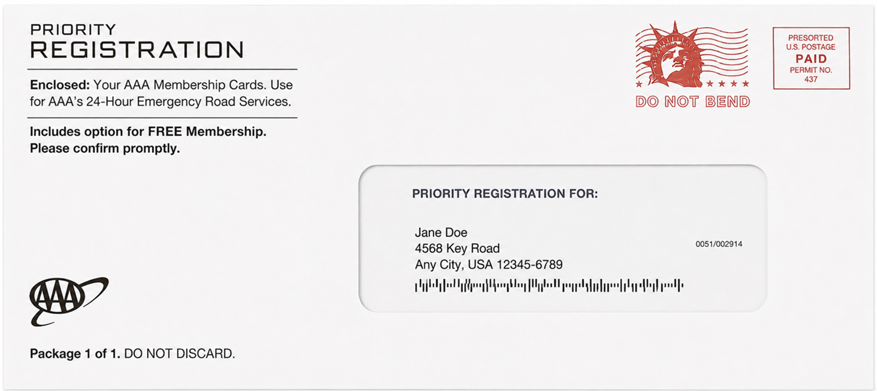
This first example is from AAA. Rather than making recipients wonder what’s inside, this envelope immediately reassures them that opening it is worthwhile. It is not only easy to process due to a relatively clean design, but it also includes elements that suggest importance (“Priority Registration”), urgency (“Confirm Promptly”), legitimacy (AAA is well known and respected), value (“FREE Membership” and “24-hour…services”) and relevance (“Your AAA Membership Cards”).
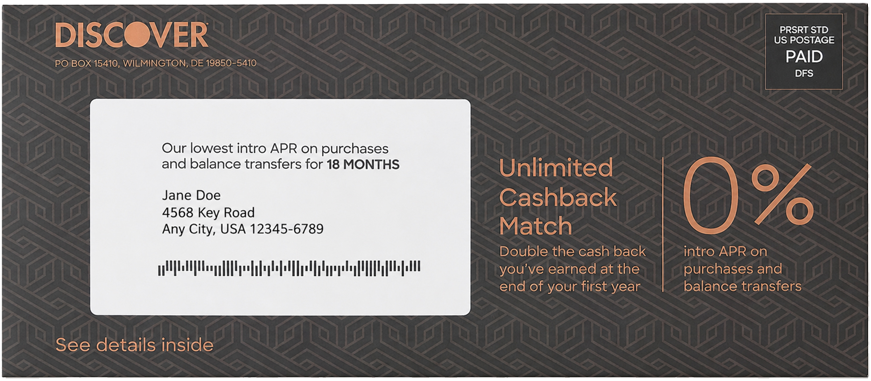
The second example reinforces confidence by combining the legitimacy of a well-known financial services company (Discover) with a clearly communicated dual value proposition (Unlimited Cashback Match plus 0% APR). Furthermore, the unique color scheme and design are attention getting, while the inclusion of “see details inside” provides a nudge to those with any degree of curiosity about the contents.
3. Balance Curiosity and Confidence
While it may seem contradictory, sometimes an envelope can be effective by using a blend of both curiosity and confidence. This can be done by giving some indication of potential importance but still holding back enough unanswered to encourage opening.
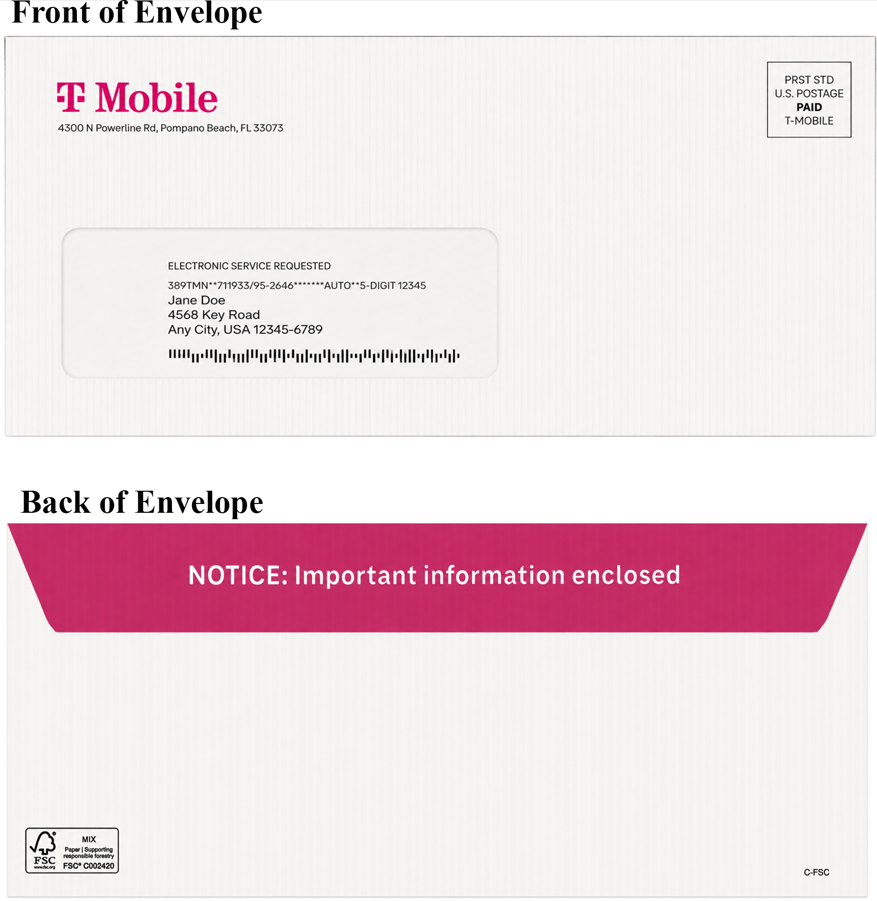
The following envelope (both front and back this time) from T Mobile is an example of this. It balances credibility with intrigue. The recognizable and respected brand and trustworthy appearance inspire confidence and legitimacy, while the lack of specificity and reference to “important information” spark the requisite curiosity.
Design Within the Reality of Your Category
Consumer interest in the underlying category can limit performance regardless of execution. This could mean low involvement or niche categories; a category oversaturated with advertising with similar messaging; or a category where consumers tend to be locked into current brands with high barriers to switching.
One example is from the auto insurance category. We have studied multiple envelopes in the category with different design approaches. These studies have shown that even well-designed envelopes in this highly advertised category tend to have relatively low intent to open. It could be that people feel bombarded with communication from this category and may instinctively avoid more.
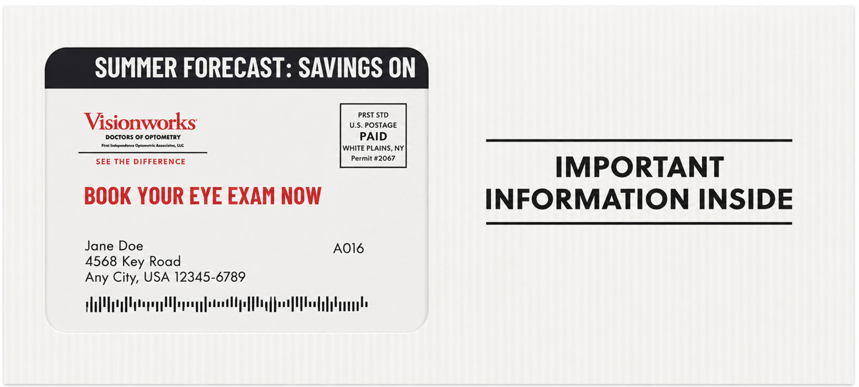
Another example is the following VisionWorks envelope, which performed poorly in our studies. While the envelope incorporates cues for importance, legitimacy, urgency and value, it achieved very low intent to open. This is likely not due to the design itself, but rather to the audience, few of whom likely find it personally relevant given the nature of the category.
Conclusion
There isn’t one recipe for a high-performing envelope. Whether you rely on curiosity, confidence, or a thoughtful combination of the two, the objective is the same: give recipients a compelling reason to hesitate before discarding the piece.
Ultimately, envelope design isn’t about maximizing curiosity or packing in as much information as possible. It’s about giving recipients enough reason to pause before making the discard decision. Whether that pause comes from intrigue, confidence, or a combination of the two depends on the brand, the offer, and the audience.
If you have any questions or would like to learn about MSW Research’s direct mail evaluation tools, including Creative Gauge AI for Direct Mail, please contact us.