Tag: Brand Advantage
-

Number 4: Tracking – Brand Advantage Tracking™
“What’s structurally different about your tracker?” Most trackers measure brand health. Fewer are structured to guide growth decisions. Brand Advantage Tracking integrates brand health and brand equity in a single design. You see how the brand is performing and why, in one connected system. It is anchored on Brand Preference as a lead indicator of…
-
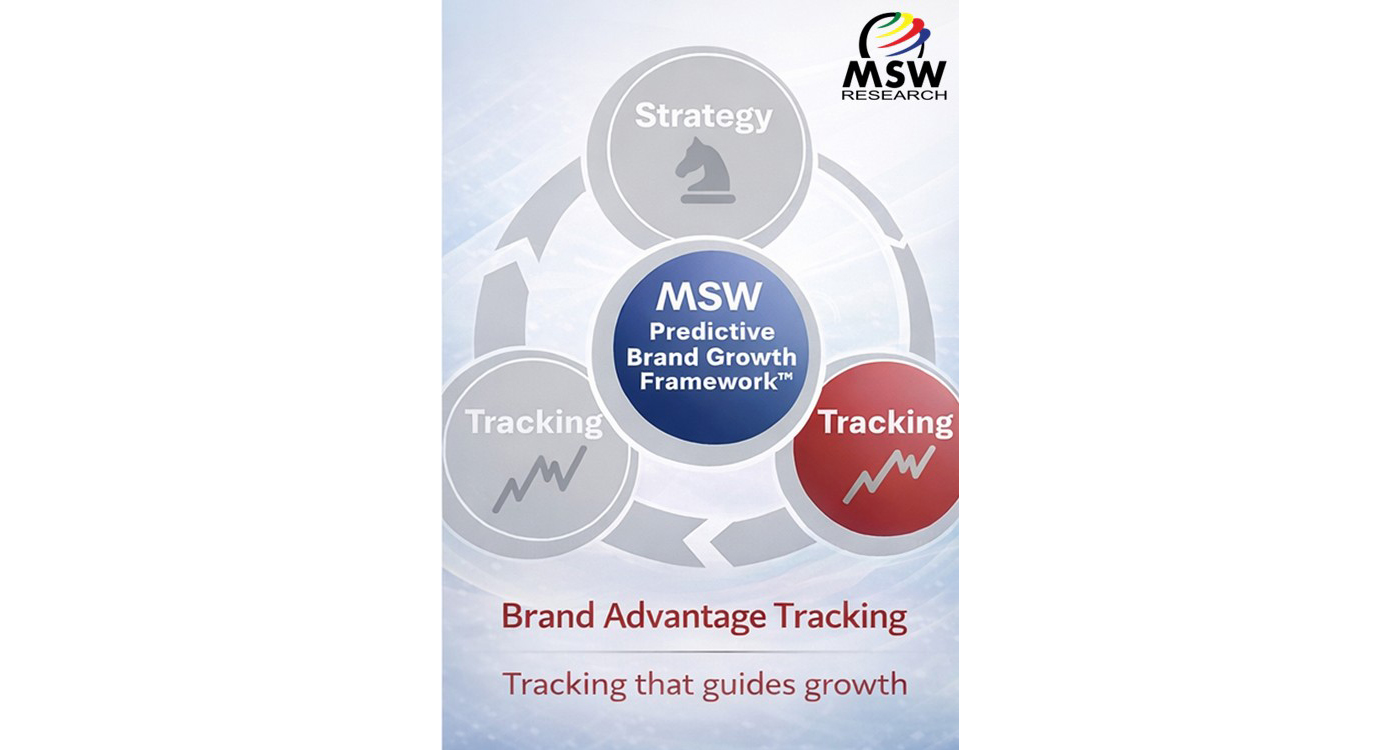
Brand Advantage
Most brand tracking does a good job of telling you what moved. It doesn’t do a good job of telling you what to do next. That’s the gap we built Brand Advantage Tracking™ to solve. Too many tracking programs turn into reporting exercises. Scores go up or down. Charts get updated. Teams debate whether a…
-

Why the Market is Changing
For decades, marketers have relied on the global research giants to track the health of their brands. They offered global infrastructure and promised comparability between markets; they provided the credibility that reassured multinational corporations. However, they had blind spots that have grown more costly over time. 𝗙𝗶𝗿𝘀𝘁, they were largely descriptive and backward‑looking, telling teams…
-

What Brand Leaders Actually Need
𝗗𝗮𝘀𝗵𝗯𝗼𝗮𝗿𝗱𝘀 𝗮𝗿𝗲𝗻’𝘁 𝘀𝘁𝗿𝗮𝘁𝗲𝗴𝘆. Leadership teams want fewer dashboards and 𝗺𝗼𝗿𝗲 𝗴𝘂𝗶𝗱𝗮𝗻𝗰𝗲. The standard they apply to every investment decision should also apply to brand: 📊 Clarity on which levers move performance 📈 A line of sight from those levers to market share and revenue 📆 A practical cadence matched to real buying cycles They need…
-

The Brand Advantage
CMOs don’t need more data. They need a system that shows what to do next. 𝗠𝗦𝗪 𝗕𝗿𝗮𝗻𝗱 𝗔𝗱𝘃𝗮𝗻𝘁𝗮𝗴𝗲 centers on Preference, the share of consumer desire in a category, and connects that measure to current and future market share, revenue, 𝘢𝘯𝘥 enterprise value. It models the drivers of Preference (𝘙𝘦𝘭𝘦𝘷𝘢𝘯𝘤𝘦, 𝘋𝘪𝘧𝘧𝘦𝘳𝘦𝘯𝘵𝘪𝘢𝘵𝘪𝘰𝘯, 𝘌𝘮𝘰𝘵𝘪𝘰𝘯𝘢𝘭 𝘈𝘥𝘷𝘰𝘤𝘢𝘤𝘺), quantifies perceptual…
-

Why Brand Preference is the Right Core Metric
If you can’t tie brand health to revenue, you’re tracking the wrong metric. At MSW, we use Brand Preference because it connects directly to business impact. It compresses the category’s demand structure into a finite resource, making it clear where you stand and what it will take to grow. Preference sits closest to competitive choice,…
-

The Role of Category Entry Points
You don’t just want to be remembered. You want to be remembered at the right moment. Category Entry Points (𝗖𝗘𝗣𝘀) are a crucial but often overlooked dimension of brand health. They represent the cues, contexts, and situations in which consumers think about a category, and become open to choosing a brand. The more entry points…
-

Drivers of Brand Preference: The RDE Framework
If you want to grow brand preference, you need to know what moves it. There are three forces that reliably drive Brand Preference: ➡️ 𝗥𝗲𝗹𝗲𝘃𝗮𝗻𝗰𝗲: How well your brand fits the consumer’s needs, occasions, and emotions at the moment of choice ➡️ 𝗗𝗶𝗳𝗳𝗲𝗿𝗲𝗻𝘁𝗶𝗮𝘁𝗶𝗼𝗻: Meaningful distinctiveness that sets your brand apart ➡️ 𝗘𝗺𝗼𝘁𝗶𝗼𝗻𝗮𝗹 𝗔𝗱𝘃𝗼𝗰𝗮𝗰𝘆: A sense…
-

The Marketing Model: Equity and the Short-Term Gap
What if your brand tracker could explain both short-term bumps and long-term brand value? 𝗕𝗿𝗮𝗻𝗱 𝗔𝗱𝘃𝗮𝗻𝘁𝗮𝗴𝗲 integrates long‑term equity with the short‑term marketing gap. Equity reflects the durable preference structure built by product truth and cumulative communication. The marketing gap captures immediate factors like price, promotions, availability, and competitive noise that can suppress or amplify…
-

Cadence: Fewer Reads, More Signal
More tracking doesn’t mean better insight. Always-on measurement implies value proportional to frequency. In practice, it amplifies noise. The smarter approach is to time measurements to the consumer buying cycle and to known inflection moments like major campaigns, product changes, retail resets, and competitive launches. Sampling can then be sized to detect changes that matter,…